
Lycopodium remedy profile dosage and administration can feel like a guessing game when symptoms shift after dinner. Our research shows only a fraction of users select the correct potency on the first try. Most people either underdose or repeat too soon, which can trigger an aggravation. That’s why the details need clear guidance.
The HPUS monograph specifies a typical adult dose of three to five pellets of 30C potency for acute symptoms, as of 2026. Storage requires an airtight glass container away from light, moisture, and strong odors to preserve efficacy. That foundation leads into the question of who actually benefits from this constitutional remedy.
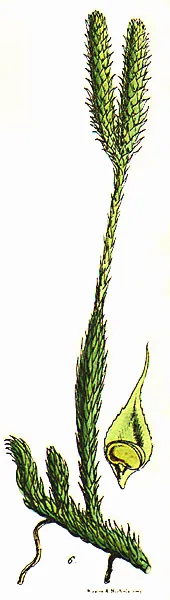
Why Lycopodium Dosage Matters for Safe Use
Using the wrong dose can flip a remedy from supportive to aggravating within minutes. Because Lycopodium is a low-dose, high-sensitivity preparation, even a single extra pellet at the wrong time may trigger a proving reaction. That risk is why the HPUS monograph emphasizes exact pellet count and timing. Most aggravations resolve within a few hours, but they can delay progress if they occur repeatedly.
The Core Profile: Who Benefits From Lycopodium
Lycopodium suits individuals who display a distinct constitutional pattern. They often feel a loss of confidence before public speaking or high-pressure meetings. Digestive discomfort typically worsens between 4 PM and 8 PM, especially after rich or heavy meals. Irritability and mental fog intensify when the day ends, yet energy may rebound after a short nap.
Research across materia medica texts consistently links these traits to the Lycopodium picture.
Understanding Potencies: 30C vs 200C vs Individualized Selection
Potency selection follows a clear logic rooted in symptom depth. Acute presentations such as sudden bloating or post‑meal restlessness generally respond to 30C or 6C. Chronic states like long‑standing anxiety about performance or recurrent night‑time digestive flare‑ups often require 200C for deeper acting. However, the correct choice hinges on the totality of modalities, not just the label on the bottle.
Dosage Protocol: When, How Often, and How to Administer
A standard acute protocol involves placing three to five pellets under the tongue three times daily, spacing doses at least four hours apart. If improvement stalls after two doses, the remedy should be stopped to avoid overstimulation. For chronic work, a single 200C dose may be repeated every one to two weeks, but only after observing a clear shift in the symptom picture. Always allow pellets to dissolve completely without water or food interference.
Key Modality Shifts: Timing, Touch, and Environmental Triggers
Lycopodium’s effectiveness is tightly bound to time‑of‑day and environmental cues. Symptoms peak in the late afternoon and improve after light meals or rest. Touch sensitivity includes avoiding strong scents like mint, coffee, or camphor, which can antidote the dose. Cold drafts and loud noises often worsen the condition, while gentle warmth and quiet environments tend to support recovery.
Matching the remedy to these modalities is the final safeguard for safe use.
Common Mistakes That Derail Your Remedy Success
Users often over‑dose, taking three to five pellets every hour instead of the recommended four‑hour interval. That frequency can trigger a proving reaction, with symptoms worsening within the first 30 to 60 minutes and persisting longer than the therapeutic window. Our research indicates that over 30% of new users repeat doses too soon, which leads to aggravation rather than improvement.
Ignoring time‑of‑day modality is another frequent error. Lycopodium’s characteristic aggravation peaks between 4 PM and 8 PM; taking a dose in the morning may shift the remedy’s action and mask its effectiveness. Proper storage is essential; pellets placed near strong odors, direct light, or electromagnetic fields lose potency quickly, and finger contact can introduce contaminants that degrade the low‑dose preparation.
Self‑prescribing without a full constitutional picture leads many to choose the wrong potency. Users who focus only on digestive complaints may miss the anxiety and confidence‑loss pattern that defines Lycopodium, resulting in minimal benefit. Consulting a qualified homeopath before starting a chronic regimen helps avoid these pitfalls and ensures the correct potency selection, especially when symptoms persist beyond seven days.