
Parents often turn to complementary options when their child's health seems stuck in a loop of recurring complaints. The Lycopodium remedy profile for children's health is one of the most searched homeopathic frameworks in 2026, and for good reason: it addresses a specific cluster of physical and emotional traits that many kids exhibit. But the catch is that this remedy isn't a one-size-fits-all pill; it works only when the child's symptom picture matches the remedy's signature. That's why understanding the profile deeply matters before you even consider buying a bottle.
According to the Homeopathic Pharmacopoeia of the United States, Lycopodium clavatum is listed for digestive weakness, anxiety, and respiratory sensitivity in pediatric cases. Clinical experience reported by the British Homeopathic Association suggests that when the picture matches, improvement in bloating and sleep quality can appear within four to six weeks of consistent dosing. As of 2026, the most commonly used potencies range from 6C to 200C, and the choice depends on the depth of symptoms. To use this remedy effectively, we first need to understand why precision matters when using homeopathy for children.
Why Precision Matters When Using Homeopathy for Children
Homeopathy is built on the principle of individualization, which means the same remedy can look completely different from one child to the next. When you're dealing with a child who has recurring ear infections, a stubborn cough, or stomach upset after meals, the temptation is to grab a remedy that sounds like it covers those issues. The problem is that two children can share a symptom yet need different treatments because their overall temperament, sleep patterns, and reaction to stress differ. That's where precision becomes non‑negotiable.
A mismatch doesn't just mean you see no change; it can sometimes lead to a temporary worsening of symptoms, known as an aggravation, which can be unsettling for both parent and child. More importantly, if you rely on a remedy that isn't right, you may delay seeing a healthcare professional who can rule out conditions that require antibiotics, imaging, or other interventions. In pediatric cases the margin for error is narrower because a child's body is still developing and can decompensate faster when an underlying issue goes unaddressed.
Here are the most common pitfalls that families encounter:
- Selecting a remedy based on a single symptom without looking at the whole picture.
- Changing potencies too frequently before giving the remedy time to act.
- Using a high potency when a low potency would be gentler and more appropriate.
- Ignoring mental and emotional cues that often point to the correct constitutional match.
- Stopping the remedy too soon because the first improvement seems like a cure.
Each of these mistakes stems from a desire to help quickly, but they often lead to frustration and a sense that homeopathy doesn't work. The reality is that when the case is taken carefully and the remedy matches the totality of symptoms, the results can be steady and noticeable over weeks rather than days.
Taking the time to map out your child's full symptom picture is not just an exercise in matching; it creates a roadmap that tells you when to seek additional help. This approach also helps you communicate more effectively with a practitioner if you decide to consult one. In practice, families who keep a simple diary of symptoms often notice patterns that make the remedy selection clearer.
What Lycopodium Actually Covers in Pediatric Practice
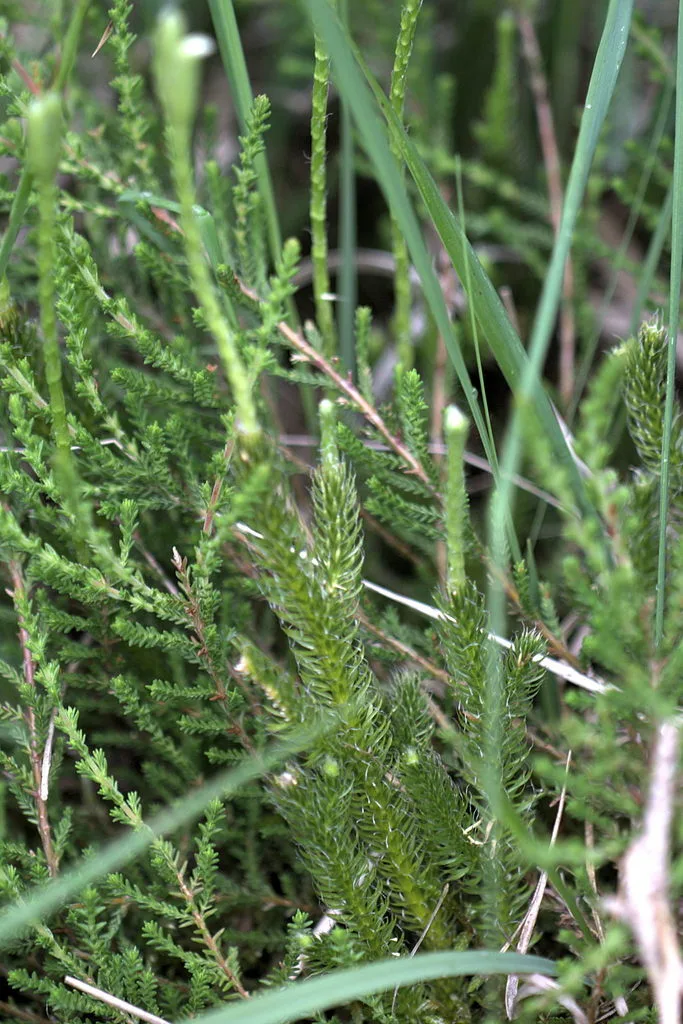
Lycopodium clavatum, commonly referred to as club moss, has a well‑defined sphere of action in homeopathic pediatrics. Its signature centers on three interconnected areas: digestion, emotional resilience, and respiratory function. Children who benefit from this remedy often show a characteristic pattern that includes bloating and gas after eating, especially after starchy foods, alongside a tendency to feel anxious about new situations or performance.
The digestive component is usually the first thing parents notice. A child might complain of a full, tight abdomen even when they haven't eaten much, or they may pass gas that provides temporary relief. These symptoms tend to worsen in the late afternoon or early evening, a timing that can be a clue for the practitioner. On the emotional side, the child may appear confident in familiar settings but become irritable or fearful when asked to perform in front of others, such as at school presentations or family gatherings.
Respiratory issues in the Lycopodium picture often involve a dry, hacking cough that can be triggered by excitement or a change in temperature. Unlike some remedies that target wet, congestive coughs, Lycopodium suits the child whose cough sounds harsh and may be accompanied by a sense of tightness in the chest. The following table summarizes the key features:
| System | Typical Presentation |
|---|---|
| Digestion | Bloating after meals, gas, craving for sweets, symptoms worse 4‑6 pm |
| Emotional | Anxiety about performance, irritability, need for control, fear of being alone |
| Respiratory | Dry hacking cough, chest tightness, cough worse when excited or in warm rooms |
These symptoms rarely appear in isolation; they form a constellation that helps the practitioner match the child to the remedy. The age range where this pattern is most frequently observed is between 3 and 12 years, although it can present in younger children when the digestive component is prominent.
Notice how the digestive, emotional, and respiratory features often appear together, creating a feedback loop that can be confusing if you look at each symptom in isolation. For instance, a child who feels bloated may become irritable, which in turn can trigger a coughing spell. Recognizing this interconnectedness is key to applying the remedy correctly.
The Constitutional Picture: Digestion, Anxiety, and Respiratory Patterns
Digging deeper into the digestive picture, you'll often find that the child experiences relief from pressure when they pass gas, yet they may be reluctant to do so in public, which adds a layer of emotional tension. They might have a history of slow digestion, leading to a feeling of heaviness after eating, and they may gravitate toward sweet snacks that temporarily lift their mood but later exacerbate bloating. This cycle of craving and subsequent discomfort is a hallmark of the Lycopodium constitution.
The anxiety component is equally telling. These children are often the ones who worry about school assignments, social acceptance, or family changes long before the event occurs. Their anxiety can manifest as physical complaints such as stomachaches or headaches, which parents may initially attribute to ordinary childhood ailments. When you ask about their fears, they may describe a need for order and predictability, and they can become visibly upset when plans change unexpectedly.
Respiratory patterns in this constitution tend to be dry and non‑productive, which distinguishes them from remedies that suit wet, rattling coughs. The cough may start as a tickle in the throat and escalate into a forceful, hacking sound that can be mistaken for whooping cough in mild cases. It often worsens in the evening or when the child is lying down, and it may be accompanied by a sensation of constriction in the upper chest. These respiratory symptoms frequently improve when the child is engaged in an activity that distracts them, highlighting the mind‑body connection that is central to this remedy.
The interplay between these three areas means that treating only one system rarely leads to lasting change. A child whose digestion improves but whose anxiety remains unaddressed may still experience sleep disturbances or irritability that affects school performance. Conversely, when the emotional tension eases, the digestive and respiratory symptoms often soften as well, illustrating the constitutional approach that homeopathy emphasizes.
Risk Factors: When Self-Prescribing Can Delay Real Care
While the idea of managing your child's health at home can feel empowering, there are clear situations where professional evaluation is essential. Any sign of weight loss, persistent fever, difficulty breathing, or changes in consciousness should prompt immediate medical attention. These symptoms can indicate conditions that require antibiotics, inhalers, or emergency interventions that no homeopathic remedy can replace.
Self‑prescribing becomes risky when you base the choice on a single matching symptom without considering the child's overall state. For example, a child with a dry cough might seem to fit Lycopodium, but if they also have a high fever, rapid weight loss, or a rash, those are red flags that point to a different, more urgent diagnosis. Ignoring these signals can lead to a delay in treatment that has long‑term consequences for the child's health.
Another risk involves the misuse of potency. High potencies such as 200C are potentized to a degree that can provoke a strong reaction if the case is not accurately matched. Parents sometimes escalate the dose hoping for faster results, which can cause an aggravation that frightens the family and leads them to abandon the approach altogether. The safer route is to start with a lower potency like 6C or 12C and observe the response over several days before considering a repeat dose.
The following list highlights warning signs that should stop you from continuing with self‑prescribing:
- Fever above 38.5 °C (101.3 °F) that persists for more than 24 hours.
- Difficulty breathing, wheezing, or bluish lips or fingertips.
- Signs of dehydration such as reduced urine output or dry mouth.
- Lethargy, confusion, or inability to wake the child.
- Unexplained weight loss or failure to gain weight over weeks.
If any of these appear, the appropriate step is to contact a pediatrician or seek emergency care without delay. Homeopathic remedies can be a complementary support, but they are not a substitute for conventional medical evaluation when serious pathology is present.
Safe Administration: Potency, Frequency, and What to Watch
Choosing the right potency is one of the most nuanced aspects of using Lycopodium. The potency determines how dilute and potent the remedy is, and it influences both the intensity and duration of its action. In pediatric practice, lower potencies such as 6C or 12C are often used first because they are gentler and can be repeated more frequently if needed. Higher potencies like 30C or 200C are reserved for deeper, more chronic conditions and are typically administered once, then observed for several weeks.
The frequency of dosing depends on the child's sensitivity and the severity of symptoms. A common starting schedule is to give one or two pellets of a 6C or 12C potency once daily for up to five days, then pause to assess the response. If symptoms improve, you might continue with a single dose twice a week for maintenance. If there is no change after a week, it's a sign that either the potency is too low or the remedy match is incorrect; in that case, consulting a practitioner is advisable.
When giving the remedy, place the pellets under the child's tongue where they can dissolve without chewing. Avoid touching the pellets with your hands to prevent contamination, and wait at least fifteen minutes before or after meals or any strong‑flavored substances such as mint toothpaste, which can interfere with the remedy's action. Keep a simple log noting the date, potency, and any changes in symptoms; this record is invaluable for fine‑tuning the approach.
The table below outlines typical potency ranges and their suggested use:
| Potency | Typical Use Case | Frequency |
|---|---|---|
| 6C | Acute digestive upset, mild anxiety | Daily for up to 5 days |
| 12C | Moderate symptoms, transitional phase | Every other day for 1 week |
| 30C | Deeper emotional patterns, persistent cough | Once, then observe for 2‑3 weeks |
| 200C | Deep constitutional treatment, severe anxiety | Single dose, long‑term follow‑up |
After administering the remedy, watch for signs of improvement such as better sleep, increased appetite, or a reduction in the intensity of cough. If symptoms temporarily worsen within 24‑48 hours, this may indicate a healing reaction, but it should be short‑lived; if it persists or is distressing, stop the remedy and seek professional advice. Consistent, gradual improvement over weeks is the goal, not an immediate dramatic change.
Keeping a log of each dose and the child's response helps you and your practitioner fine‑tune the approach over time. If you notice that symptoms improve but then plateau, a slight adjustment in potency or frequency may be needed. Always err on the side of starting low and increasing only under guidance.
Comparison / Alternatives / Options
When a child shows digestive upset, anxiety, and a dry cough, Lycopodium is a common first choice, but it isn’t the only remedy.
If the child’s symptoms lean more toward a wet, rattling cough, Sulphur or Pulsatilla may be better suited.
Calcarea carbonica fits a child who is slow‑to‑grow, has a tendency to gain weight, and feels cold.
Choosing the right option starts with a quick symptom checklist:
| Symptom | Lycopodium | Sulphur | Pulsatilla | Calcarea |
|---|---|---|---|---|
| Dry hacking cough | ✔ | ✖ | ✖ | ✖ |
| Bloating after meals | ✔ | ✖ | ✔ | ✖ |
| Anxiety about performance | ✔ | ✔ | ✔ | ✖ |
| Slow growth, weight gain | ✖ | ✖ | ✖ | ✔ |
If the child’s profile matches more than one remedy, a practitioner may recommend a combination or a higher potency to address deeper constitutional traits.
Use Cases / Best For / Who It's Right For
Lycopodium shines in children who:
- Feel bloated after eating, especially after starchy foods, and find relief after passing gas.
- Become irritable or anxious when asked to perform in front of others.
- Have a dry, hacking cough that worsens in warm rooms or when excited.
It is less suitable for kids whose cough is wet and productive, or whose digestive issues are linked to food allergies rather than constitutional weakness.
Mistakes to Avoid / Common Errors
- Skipping the full symptom diary, A single symptom can mislead you into the wrong remedy.
- Jumping to a high potency, 200C is powerful; start low and observe before escalating.
- Stopping after the first improvement, Homeopathy often needs several weeks for a full response.
- Ignoring red‑flag symptoms, Fever, rapid breathing, or weight loss should prompt medical evaluation, not a remedy change.
If you notice any of these, pause the remedy and reassess or consult a qualified practitioner.
Costs / Pricing / Data / Specs
| Potency | Typical Price (US) | Typical Quantity | Shelf Life |
|---|---|---|---|
| 6C | $8–$12 | 30 pellets | 2 years |
| 12C | $10–$15 | 30 pellets | 2 years |
| 30C | $12–$18 | 30 pellets | 2 years |
| 200C | $15–$22 | 30 pellets | 2 years |
Prices vary by brand and potency. Most reputable manufacturers list batch numbers and expiry dates on the label.
Expert Tips / Pro Advice
- Use a symptom log, Record date, dose, and any changes in appetite, sleep, or mood.
- Keep a consistent schedule, Give the remedy at the same time each day to build a routine.
- Pair with gentle diet, Soft, bland foods can ease digestive discomfort while the remedy works.
- Watch for healing reactions, A brief spike in symptoms within 24, 48 hours can signal the remedy is working; if it lasts longer, consider a lower potency.
- Consult a practitioner for chronic cases, If symptoms persist beyond 6 weeks, a professional assessment can refine the approach or rule out other conditions.